School of Physical Sciences - St Aloysius (Deemed To Be University)

About the school

The School of Physical Science at St. Aloysius (Deemed to be University) is a distinguished academic unit with a legacy of over a hundred years of scientific scholarship, committed to advancing knowledge through a balanced integration of rigorous coursework, hands-on laboratory experience, and research-driven learning. Its curriculum integrates core and elective courses in Physics, Chemistry, Mathematics, Statistics and Electronics employing an interdisciplinary approach that combines theoretical foundations with practical laboratory work and innovative research methodologies. The school emphasizes skill development through workshops, internships, and industry partnerships to improve employability. The academic culture is enriched by Conferences, Seminars, Faculty Development Programs, Workshops, Guest lectures, Alumni Interaction activities and intercollegiate competitions that foster creativity and innovation. Graduates have attained prestigious roles in academia and industry, becoming influential figures and inspiring future generations as the department continues to nurture aspiring scientific leaders committed to societal progress


Office Of Deanery

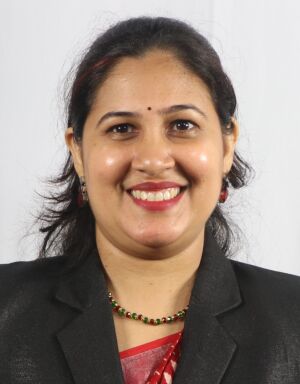
Staff Image
Dr Aruna Kalkur T

Professor, HOD & Dean

 [email protected]
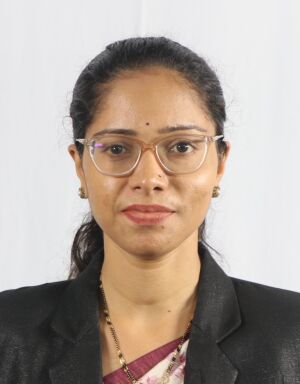
Staff Image
Dr Chandra Shekhara Shetty T

Asso. Prof.- Stage II , Asso. Dean & Director RDC

 [email protected]
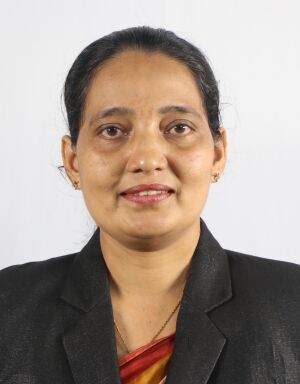
Staff Image
Dr Vinola Zeena Rodrigues

Assistant Dean, Assistant Professor Stage -III (Prog. Coordinator)

 [email protected]

Message from the Dean

In an ever-evolving world, the physical sciences serve as a vital compass for understanding and shaping the universe. As the foundation of technological innovation, medical advancement, and environmental sustainability, these disciplines equip society to address complex global challenges. The School of Physical Sciences is dedicated to nurturing curiosity, critical thinking, and a passion for discovery through rigorous and inspiring academic programs. Guided by our motto “Lucet et Ardet”—to illuminate and ignite—we empower students to push the boundaries of knowledge and emerge as confident leaders in science. Our vision is to develop a world-class centre for physical science education marked by academic excellence, innovative research, and meaningful community engagement. The mission emphasizes interdisciplinary, career-oriented programs, impactful research addressing local and global issues, ethical leadership, strong community partnerships, and a global outlook fostered through international collaboration and cultural diversity.

Best Practices of the School

  • Outcome-based teaching-learning emphasizes defined course outcomes, continuous assessment, and data-driven improvements.
  • ·         The curriculum incorporates structured undergraduate and postgraduate research projects, culminating in presentations or publications.
  • Advanced laboratory facilities are utilized regularly with mandatory documentation and performance assessments.
  • Interdisciplinary coursework merges Physics, Chemistry, Mathematics, Statistics, and Electronics to tackle real-world problems, accommodating diverse learning paces through bridge and enrichment classes.
  • Continuous internal evaluations include unit tests, quizzes, and lab assessments aligned with learning outcomes.
  • The institution organizes seminars, workshops, guest lectures, and skill-based courses in fields such as AI, data analytics, and green chemistry.
  • The curriculum is enriched with systematic industry visits and ICT-enabled teaching strategies, including learning management systems and virtual labs.
  •  A structured mentoring system supports students academically and personally.
  • Active support for intercollegiate participation and achievement tracking is implemented, alongside regular alumni engagement to gather feedback on curriculum improvements. 
  •  Formal feedback from stakeholders leads to actionable reports, while partnerships with industries and academic institutions foster internships and collaborative projects.
  • Integration of statistical and computational tools is a key aspect across courses.
  • Safety and green practices are enforced in laboratories, and faculty development is prioritized through workshops and research collaborations.
  • Innovation and entrepreneurship are encouraged through incubation support and competitions, alongside outreach activities to enhance scientific awareness and social responsibility.
SAC
V-TOUR